
Essential Ayurveda for Yoga Practitioners
A Non-negotiable Foundation to Deepen Yoga Practice
online | 50hrs | Starting July 16, 2026
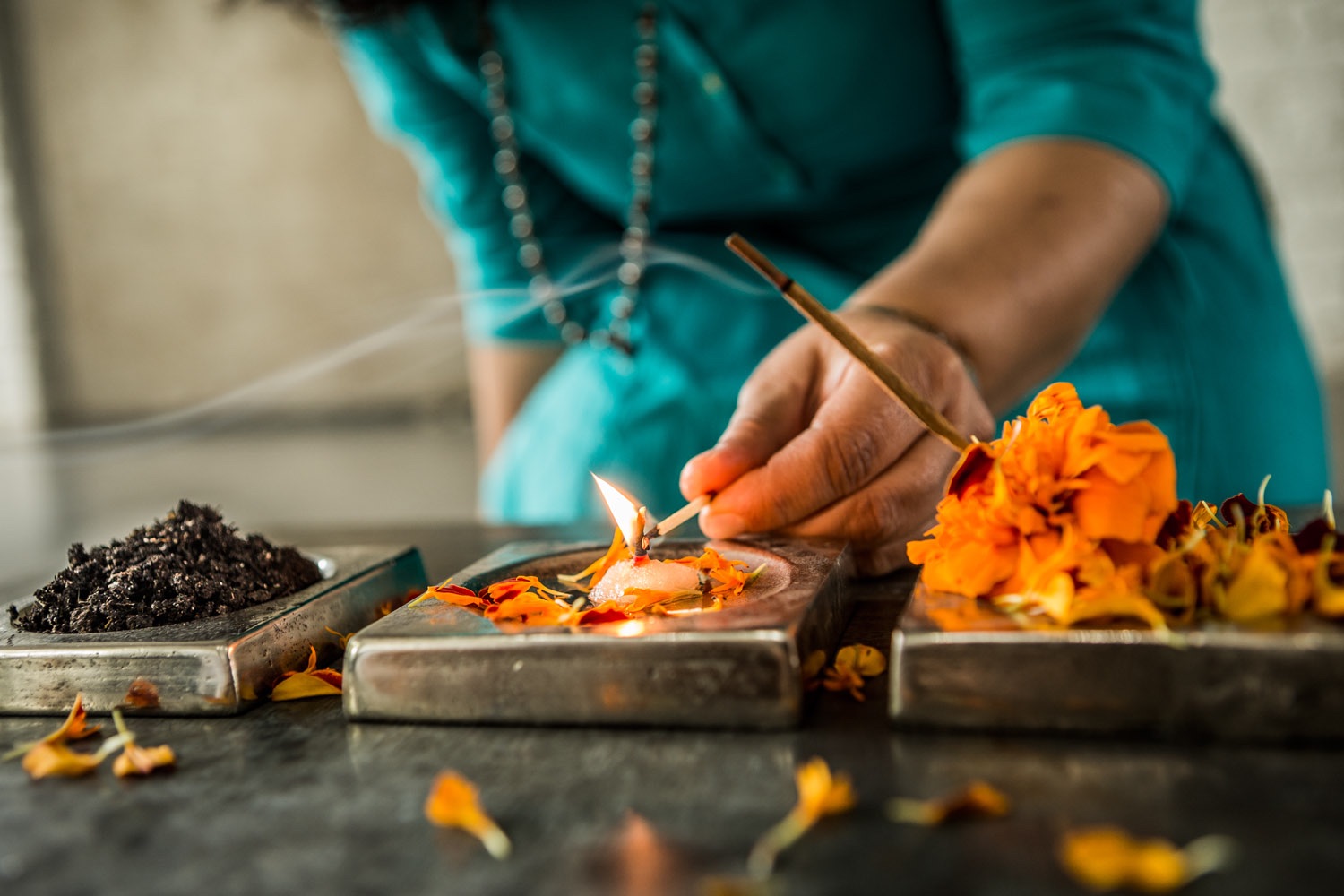
A Powerful Partnership
Ayurveda and Yoga are sister sciences, each offering unique yet complementary tools for healing and wellness. While Yoga emphasizes physical, mental, and spiritual practices, Ayurveda focuses on balancing the body and mind through doshas, guna, prana, agni, and marma. Together, they form a complete system for achieving optimal health. However, integrating the two can often feel overwhelming or confusing.
The 50-hour Essential Ayurveda for Yoga Practitioners Training is designed to build upon your current knowledge and understanding of Yoga, Yoga Therapy, and Ayurveda. Learn about essential, non-negotiable, practical Ayurveda studies.
The Training
Introduction and Welcome to the Cohort
July 16, Day 0 (4:30 p.m. – 6:00 p.m. CT)
Ayurveda, Dosha and Self-Care Rituals
July 18, Day 1 (10:00 a.m. – 6:00 p.m. CT)
Dwadasha (12) Prana and Pancha (5) Prana, Pitta, and Kapha
July 19, Day 2 (10:00 a.m. – 6:00 p.m. CT)
Yoga for Seven Tissues, 40 Agni and 14 channels
August 1, Day 3 (10: 00 a.m. - 6:00 p.m. CT)
Samkhya Philosophy and Yoga Practices
August 15, Day 4 (10: 00 a.m. - 6:00 p.m. CT)
Marma Points in Yoga Philosophy and Practice
August 16, Day 5 (10: 00 a.m. - 6:00 p.m. CT)
+7 webinars
Details below
Certificate & CEUs
Upon successful completion of the training, participants will receive a certificate from Yogsadhna/Indu Arora. CEUs are available from Yoga Alliance, NAMA, IAYT for registered members from respective organization.
Course objectives:
-
Living Ayurveda Through Yoga and Yoga Therapy: Learn how to integrate Ayurvedic wisdom into Yoga and Yoga Therapy for a holistic approach to wellness.
-
Making Ayurveda Accessible: Discover practical tools and techniques to incorporate Ayurveda into daily life.
-
Recognizing Dosha Imbalances: Identify markers of dosha balance and imbalance in yourself and others.
-
Applying Ayurvedic Concepts in Yoga: Understand dosha, guna, and agni and their impact on Yoga practice.
-
Essential Self-Care Practices: Learn 10 crucial Ayurvedic self-care rituals for daily health and wellbeing.
-
Diet and Lifestyle for Dosha Balance: Explore how to eat and live in harmony with dosha, seasons, time of day, and agni.
-
Enhancing Sleep and Digestion: Use Yoga techniques to improve sleep quality and strengthen digestion.
-
Sensory Wellness: Understand the role of sensory input, its imbalances, and how to improve the health of the five sensory organs.
-
Personalizing Practices: Learn how to choose and modify Yoga practices based on dosha, time of day, season, and individual goals.
-
Empowering Yoga Teachers and Therapists: Gain the confidence and clarity to lead Yoga practices rooted in Ayurvedic principles, balancing doshas and enhancing ojas through asana, pranayama, mantra, and meditation.
TRAINING ACCESS DETAILS
- All sessions will be conducted live and recorded.
- Enrollment grants you access to the course recordings and resources starting from the first day of the live training
- Replay and resources access is for 5 months
Main Takeaways
-
Vedic Meditation: Techniques to live fully in the present moment.
-
Understanding Imbalances: How to identify dosha and guna imbalances in yourself and others.
-
Practical Ayurvedic Foundations: Learn about 20 bodily gunas/ qualities, 3 doshas, 5 elements, and 3 mental gunas.
-
Essential Self-Care Practices: Learn 10 crucial daily rituals (Dinacharya and Ratricharya) for health and wellbeing.
-
Prana-Based Practices: Engage in 5 Prana Meditation and Mudras to balance the 5 elements and 5 pranas.
-
Strengthening Vital Energies: Practices to cultivate ojas, tejas, and prana for optimal health.
-
Balancing Agni: Use asana, pranayama, and diet to regulate digestive fire and metabolism.
-
Targeted Yoga Practices: Learn asanas for metabolism, 7 tissue health, and practices tailored to different times of the day.
-
Specialized Techniques: Prana/ apana Meditation, Deep Tissue Relaxation, and Nishreni Pranayama for metabolic health.
-
Marma and Meditation: 18-point Marma Meditation, Surya Namaskara with Marma points, and Body as Yantra meditation.
-
Ayurvedic Diet and Spices: Understand the principles of diet, seasonal adjustments, and dosha-balancing nutrition.
-
Applied Learning Tools: Gain practical resources, including case discussions, worksheets, a Yoga practice log chart, and 15 Yoga practice sessions aligned with Ayurveda and Yoga Therapy.
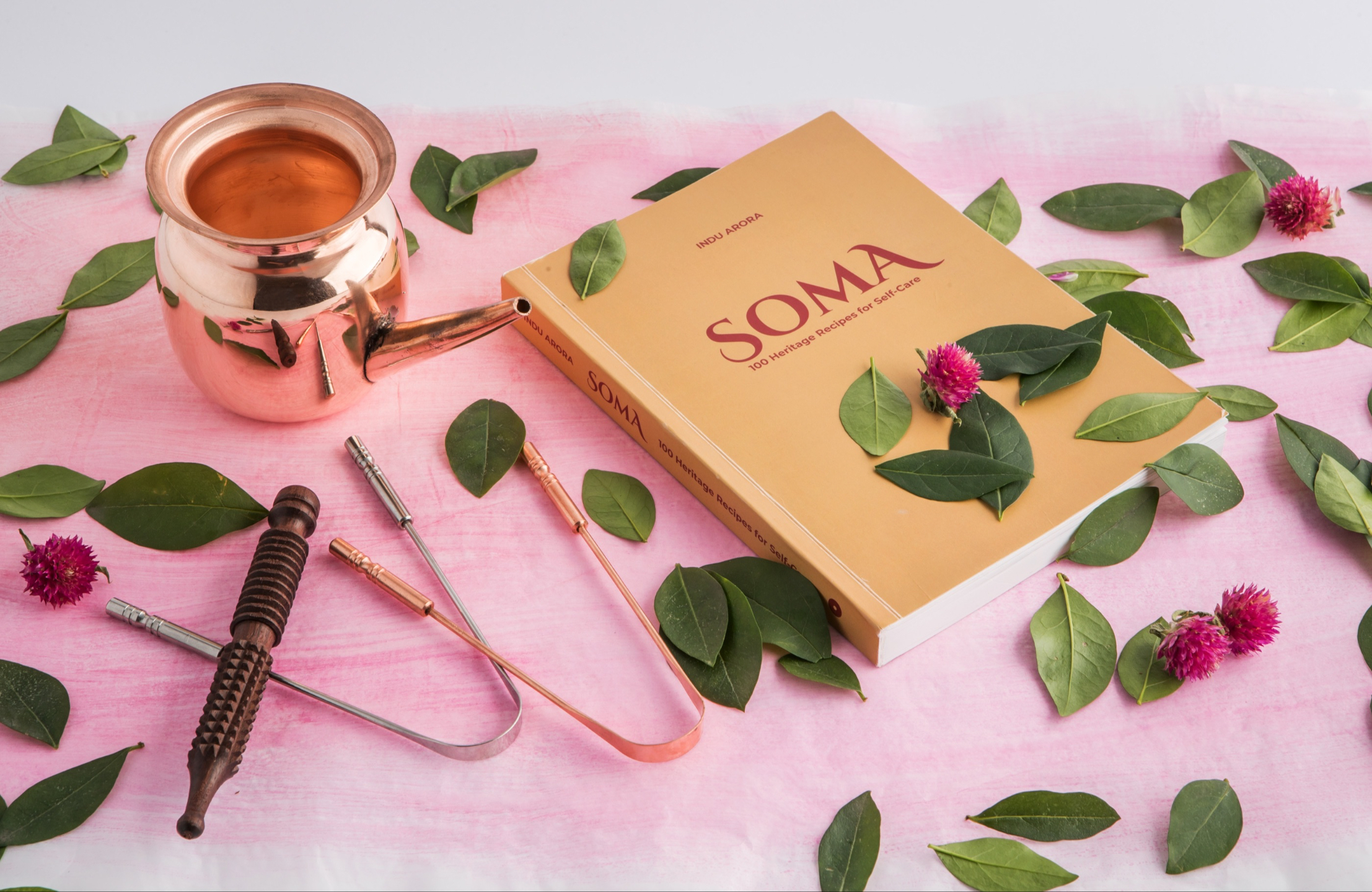
Ayurveda, Dosha and Self-Care Rituals
July 18, Day 1 (10:00 a.m. – 6:00 p.m. CT)
On this day of training, participants will dive into the foundational principles of Ayurveda, focusing on the Tri-dosha theory, the Five Elements, and Ayurvedic self-care rituals. Expect three practice sessions and two Q&A opportunities to deepen your understanding of Ayurveda’s practical application in Yoga. This day is an essential first step into integrating Ayurveda with your Yoga practice.
- What is Ayurveda
- Concept of Health in Ayurveda
- Tri Dosha Theory
- Five Element Theory
- Dosha Assessment
- Signs of Dosha Imbalance
- What is Self- Care in Ayurveda
- Self Care and Circadian Rhythm
- 5 Ayurvedic Daily Morning Rituals
- 5 Ayurvedic Daily Night Rituals
Tools Required
- Book: Yoga Ancient Heritage Tomorrow's Vision
- Book: Soma 100 Heritage Recipes for Self- Care
- Sesame Oil/Almond Oil
- Ghee
- Marma Stick
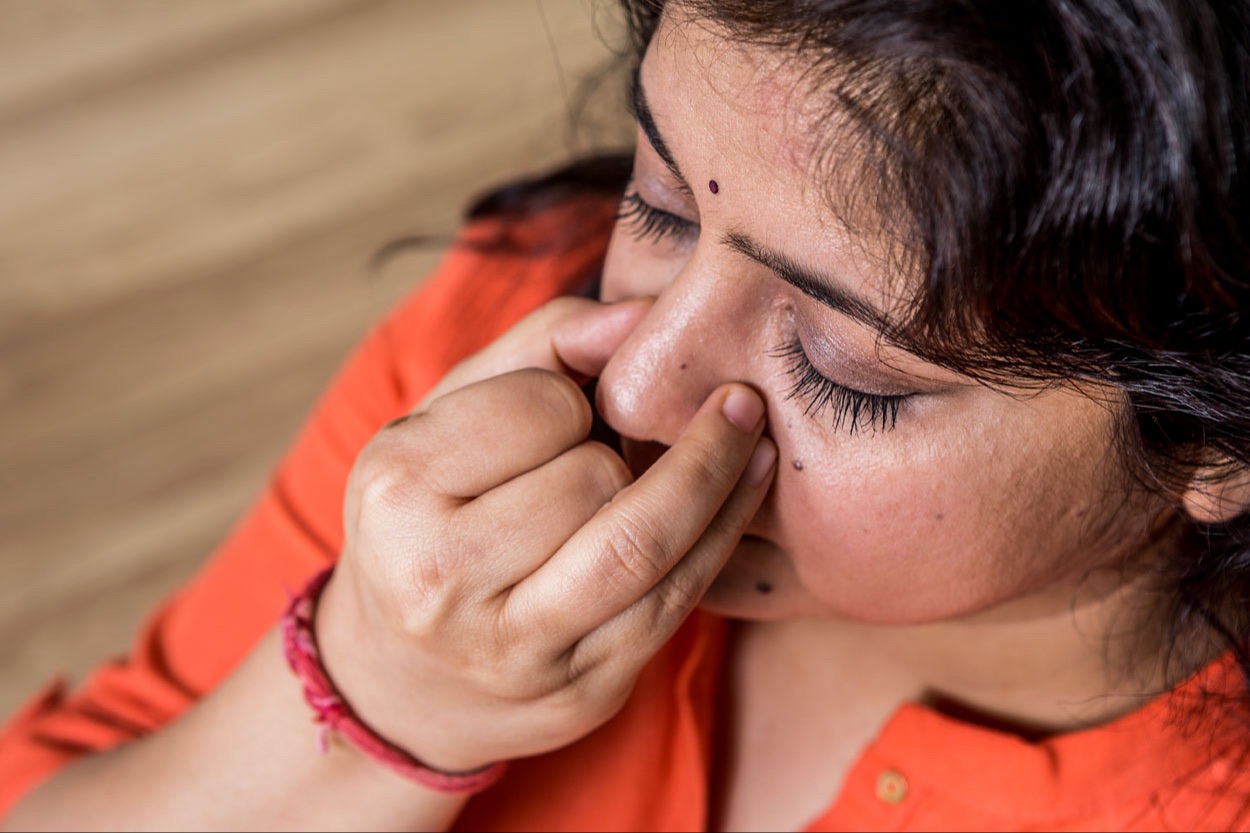
Dwadasha (12) Prana and Pancha (5) Prana, Pitta, and Kapha
July 19, Day 2 (10:00 a.m. – 6:00 p.m. CT)
In this session, we will dive deep into the core of Ayurveda by exploring the Tri-dosha theory and its relationship with the 12 Pranas, 5 Pitta, and 5 Kapha. You’ll gain a comprehensive understanding of how these elements influence one another and how they apply to your Yoga practice. Through practical exercises, we will explore the role of these concepts in Asanas, Pranayama, Shat Kriyas, and Mudras. We will also examine the connection between the 5 pranas in each breath, their influence on specific Asanas, and their relationship to natural urges and cravings. This session is designed to deepen your understanding of how Ayurvedic principles enhance and inform your practice.
- What are Dwadasha Pranas (12 Pranas)
- 5 Pranas in each breath
- Relationship between Prana and Apana
- Concept of Natural Urges
- 5 Transformational Pittas
- 5 Holding Kaphas
- Prana, Pitta and Kapha in Practice
Tools Required
- Sesame Oil/Almond Oil
- Ghee
- Marma Stick
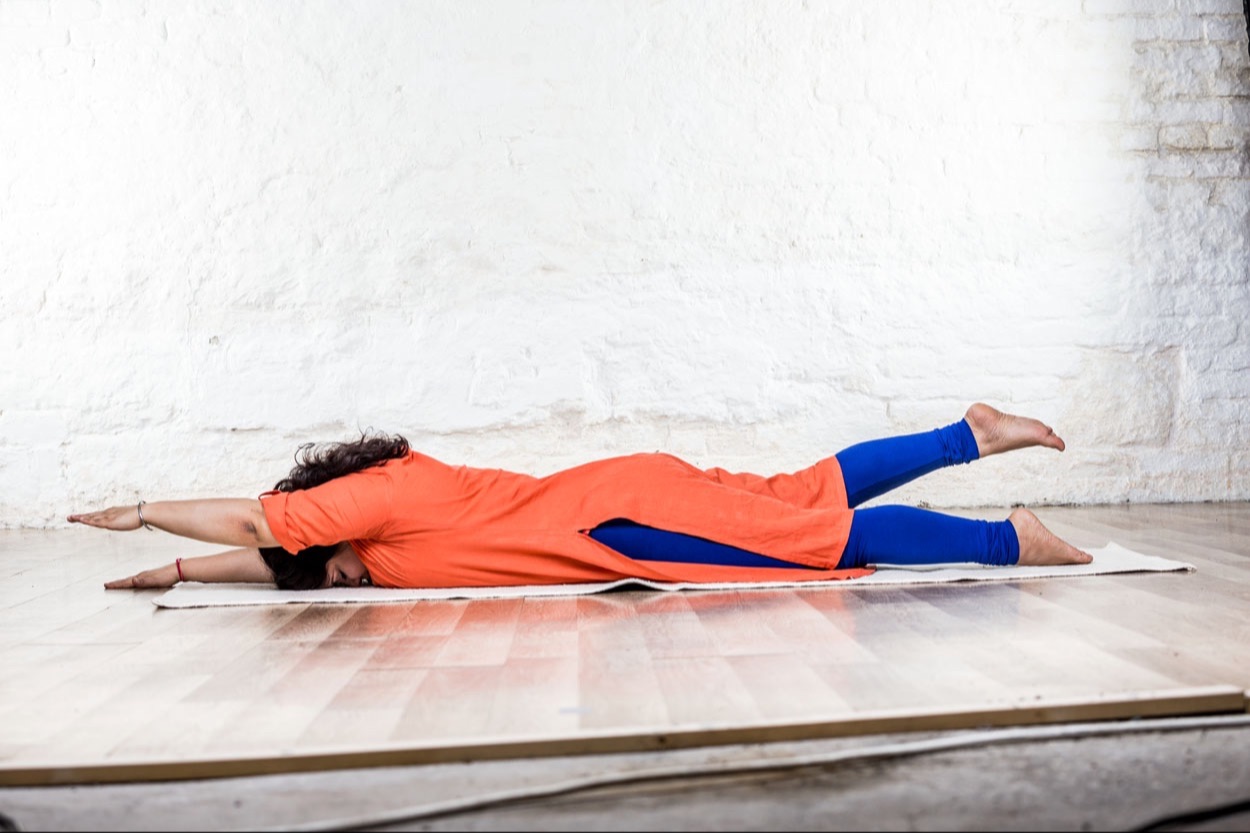
Yoga for 7 Tissues, 40 Types of Agni, 14 Tissue Channels
August 1, Day 3 (10: 00 a.m. - 6:00 p.m. CT)
The issues are in our tissues. We hold the experiences (good and bad, pleasant, unpleasant, desirable and undesirable) in our body as cellular memory. How we digest, suppress, process or repress these experiences affects our cellular intelligence, tissue health and digestive fire. This day is dedicated to bringing about a clear understanding of body from the lens of Ayurveda, understanding the 7 tissues which makes up the body as discussed in Ayurvedic texts, the practices to address imbalances related to the tissue, the 40 types of Agni and 14 channels.
- Physical Body in Yoga and Ayurveda
- Digestion in Yoga and Ayurveda
- What are Seven Tissues
- Meaning of Agni, 40 Types
- Introduction to 14 Main Tissue Channels
- Yoga Practice for Seven Tissues
- Yoga for Boosting Metabolism
- Yoga Practices for Soma, Tejas, and Ojas
Tools Required
- Book: Yoga Ancient Heritage Tomorrow's Vision
- Sesame Oil/Almond Oil
- Ghee
- Marma Stick
Samkhya Philosophy and Yoga Practices
August 15, Day 4 (10: 00 a.m. - 6:00 p.m. CT)
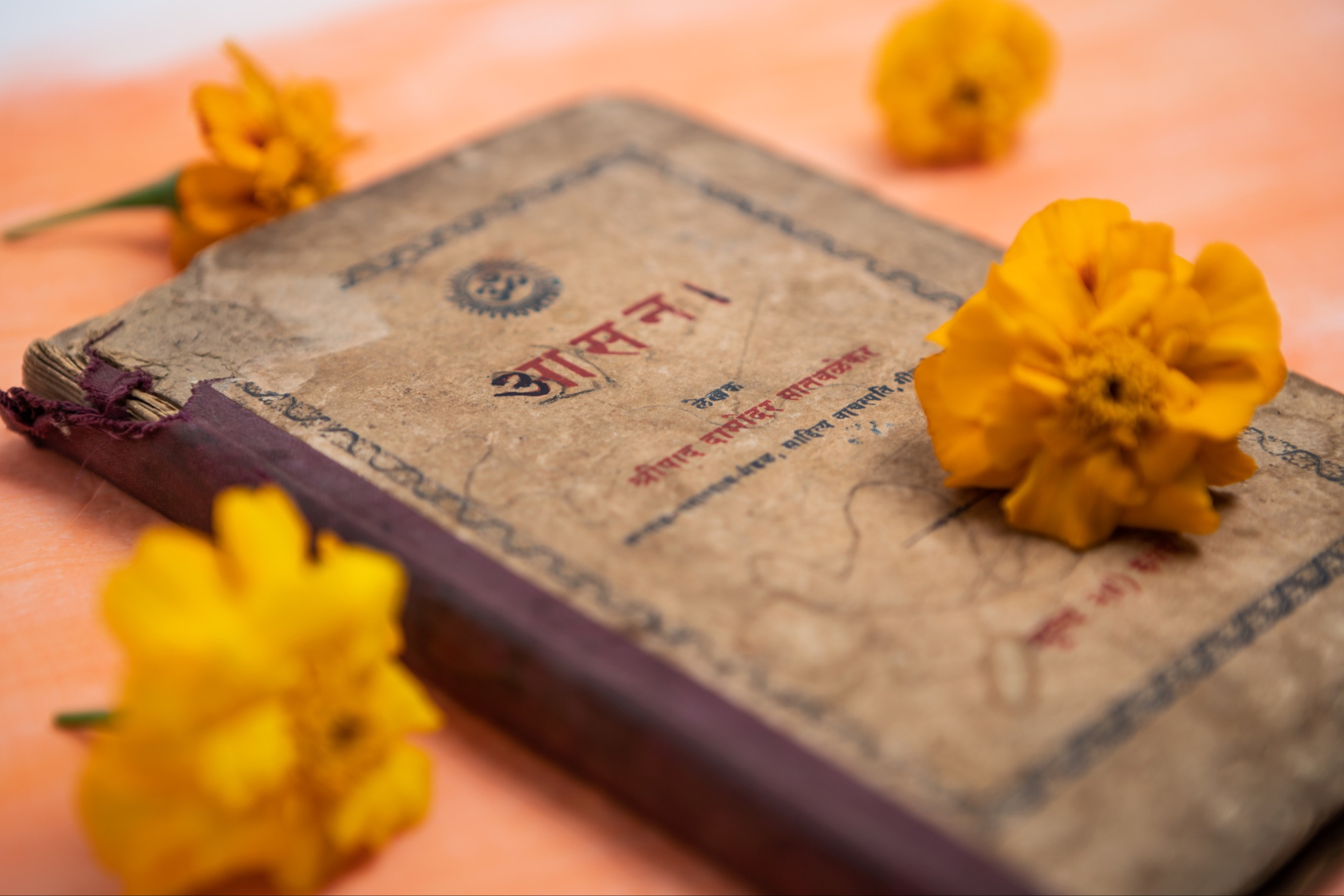
Samkhya Darshan is the foundational philosophy that underpins both Yoga and Ayurveda. Understanding, respecting, and applying this philosophy is essential for staying true to the essence of these practices. Without it, we risk diluting or misinterpreting the teachings. In my 20 years of studying Yoga, Ayurveda, and wisdom traditions, Samkhya has kept me grounded, focused, and sincere in my pursuit of deeper wisdom. I often describe Samkhya with a simple phrase: “If you don’t mind, it does not matter.” This philosophy offers clarity and direction, ensuring we stay aligned with our true purpose in practice and life.
- What is Samkhya?
- What are TriGunas?
- Role of Ahamkara
- Physical, Subtle, and Causal Body
- Samkhya in Yoga and Ayurveda
- Role of Samkhya in Dosha
- 25 Tattvas of Samkhya
- Embodied Samkhya in Yoga Practice
Tools Required
- Book: Yoga Ancient Heritage Tomorrow's Vision
- Sesame Oil/Almond Oil
- Ghee
- Marma Stick
Marma Points in Yoga Philosophy and Practice
August 16, Day 5 (10: 00 a.m. - 6:00 p.m. CT)
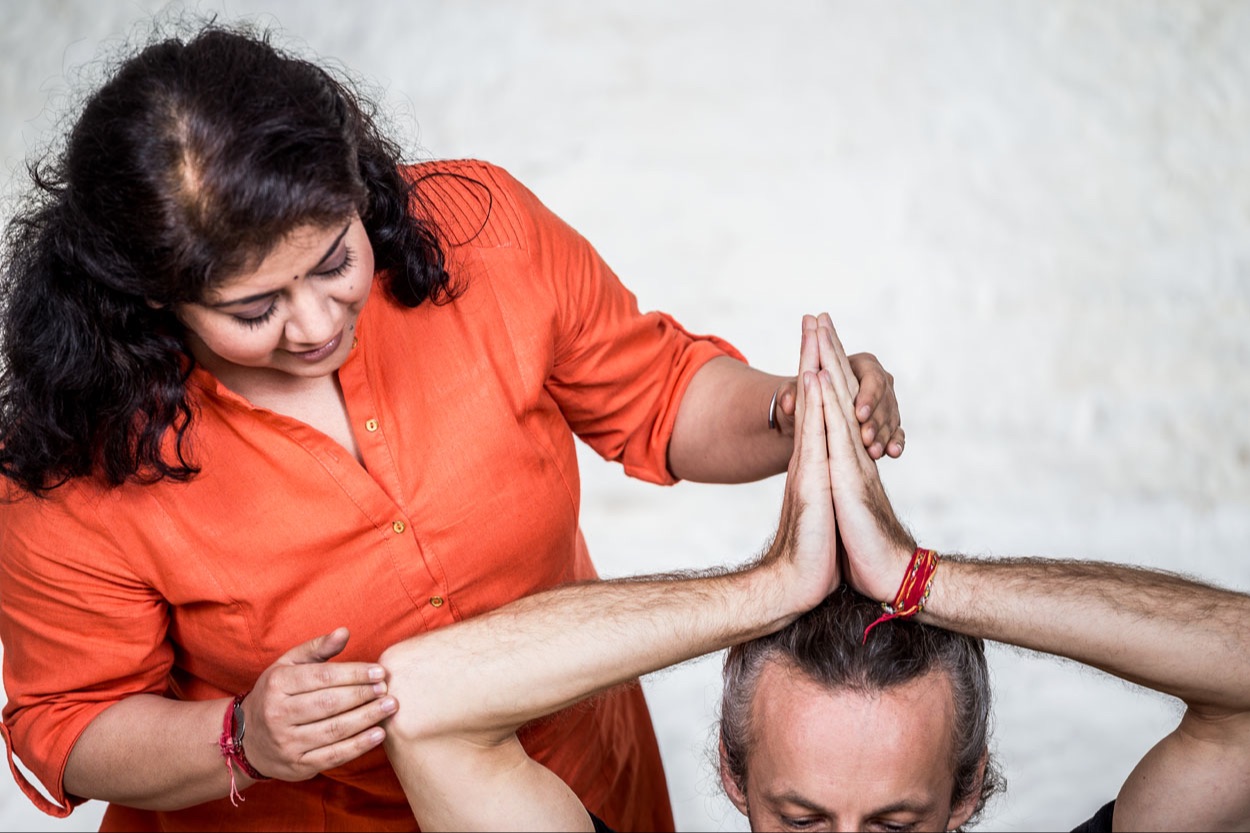
Marma points serve as the bridge between the subtle and physical body, revealing the divine wisdom of Yoga, Ayurveda, and Tantra within us. On this day, participants will be guided through three practice sessions designed to help you embody and understand the theory of Marma points in asana, pranayama, mudra, mantra, meditation, and shavasana. You’ll also have two Q&A sessions to clarify any questions and ensure a deeper understanding of how Marma points enhance your practice.
- What is Marma?
- Role of Marma in Yoga Practice
- Marma in Dosha pacification, Agni, and Prana Balance.
- Marma Points in Important Asanas, Pranayama and Shat Kriyas
- Marma Points in Mantra, Mudra, Shavasana, and Dinacharya
Tools Required
- Book: Yoga Ancient Heritage Tomorrow's Vision
- Book: Soma 100 Heritage Recipes for Self- Care
- Yogis Glow Herbal Powder
- Sesame Oil/Almond Oil
- Ghee
- Marma Stick
Webinar Flow and topics
7 webinars (1:00 - 4:00 p.m. CT)
August 26, Webinar 1
The 3 Principles of Living Ayurveda
August 31, Webinar 2
Sensory Therapy in Yoga and Ayurveda
September 2, Webinar 3
Summarization, Practice + Q & A
September 9, Webinar 4
Case History: Intake process, Q and A
September 16, Webinar 5
Ayurveda and Yoga for Seasonal Change
September 23, Webinar 6
Ayurveda and Main Principle of Diet
September 30, Webinar 7
Graduation and Summarization
One of the key highlights of the webinars is the opportunity to engage actively with the cohort by asking questions and learning through case history intake observations. Together, the cohort collaborates to create a personalized Ayurveda-Yoga practice plan for a client volunteer.
Cost
$1,500 (regular, after June 16, 2026)
$1,350 (Early bird, before June 15, 2026)
Use code AYURVEDA150 at checkout to get EB price!
Apply for Partial Scholarship, Installment Payment, Indian Resident Discount, Returning Student Discount* by sending an email
Returning students of the same program are eligible for a 50% discount.
Interested students may enroll in the training after the course begins and access missed live sessions through replays.
PREREQUISITES*
- Regular Yoga practice
- Sincere interest in Yoga Philosophy
- Enrolled in a Yoga teacher training
- Completed a Yoga teacher training
*Any one required
Date and Time
July 16. Thursday: 4.30 p.m. - 6 p.m. CT
July 18 - 19, Aug 1, Aug 15 - 16: 10: 00 a.m. - 6:00 p.m. CT
Webinars: Aug 26, 31, Sept 2, 9, 16, 23, 30 (1:00 - 4:00 p.m. CT)
CANCELLATION POLICY
- No-shows will not receive a refund and will forfeit the full payment.
- Fees, once paid (in part or in full), is non-refundable and non-transferable.
- Verbal commitments do not secure a spot.
- Refund policy: No refunds.
Essential Ayurveda for Yoga Practitioners
A Non-negotiable Foundation to Deepen Yoga Practice
ONLINE | 50HRS | STARTING JULY 16, 2026
REGISTER NOWRequired Texts And Materials:
Required Books:
- Yoga Ancient Heritage Tomorrow’s Vision
- SOMA 100 Heritage Recipes for Self-Care
- Mudra The Sacred Secret
Required Tools:
- Tongue Scraper bundle
- Marma Stick
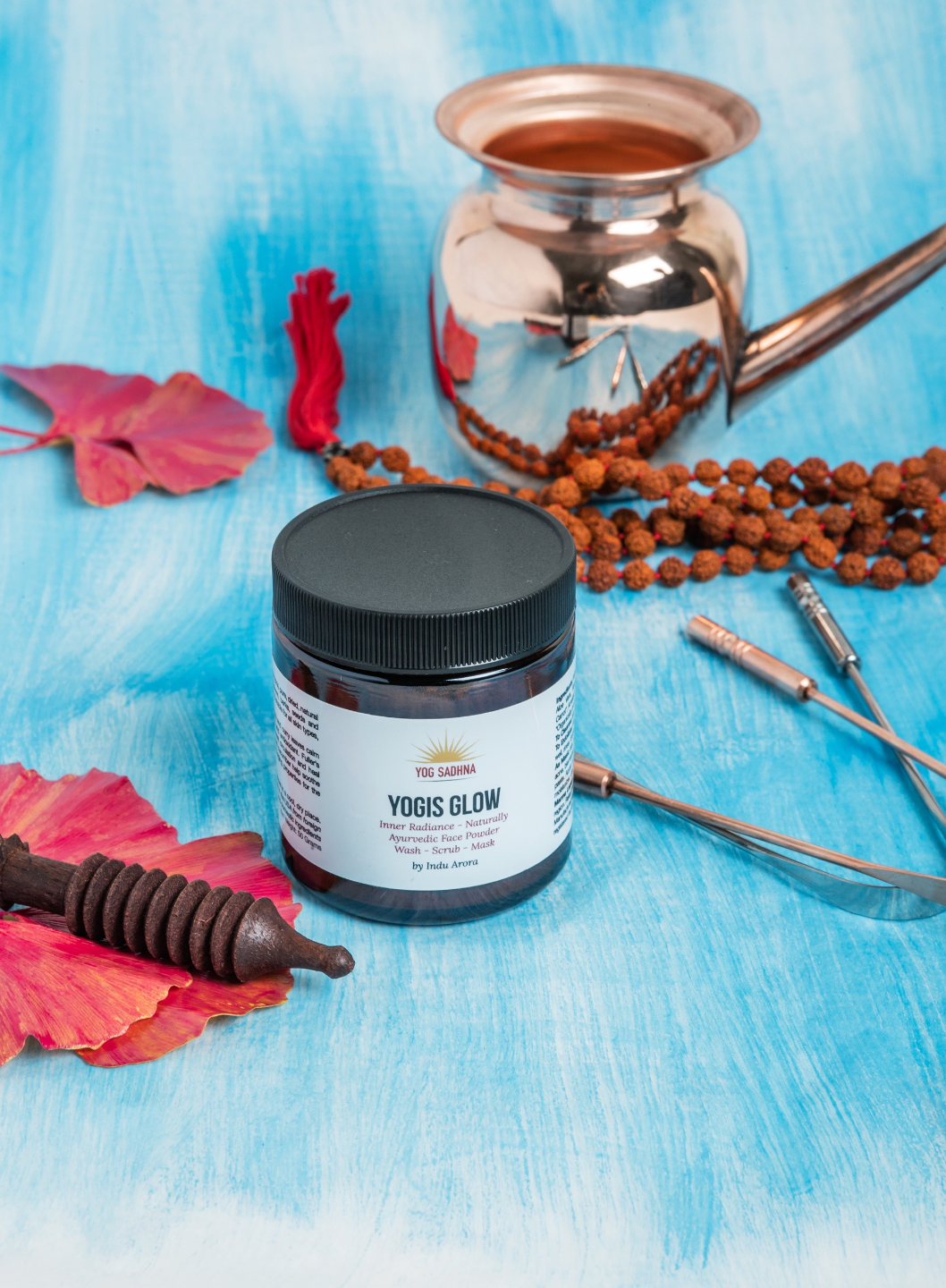
- Yogis Glow Herbal Powder
Suggested Tools:
- Copper Neti Pot
- Dosha balancing bracelet/mala
Bring Along:
- Cold Pressed Sesame Oil/Almond Oil (12 oz)
- Clarified Butter/Ghee (2 Oz)
- Dropper Bottle
Props: One medium bolster, Blanket, Shawl, Eye Cover
Have questions?
Are There Any Prerequisites for This Training?
Who is this training for?
Is this course suitable for all levels of physical ability?
Is it a specific style of Yoga that will be taught in the course?
Will I be able to apply this information to my classes or sessions if I am a yoga teacher or yoga therapist?
How much time do we dedicate to practice versus theory in this course?
Will this training accommodate different time zones?
Can I get contact continuing education hours if I’m a registered teacher with Yoga Alliance, IAYT, and/ or NAMA?
What tools will I need for attending this course?
Are any books suggested as a part of the course?
Will there be any handouts, reading material, resources included in the price of the course?
Is there any test/assessment involved?
Are there any scholarships or discounts that I can apply for to attend this training.
INSIGHTS & INSPIRATIONS: VOICES FROM THE PATH
CURATED FOR THE TRUE SEEKER
BRING TRADITION AND WISDOM INTO YOUR DAILY LIFE
UPCOMING EVENTS & TEACHINGS
BE PART OF UPCOMING WORKSHOPS, RETREATS, AND LIVE SESSIONS
TIMELESS YOGA WISDOM
DISCOVER THE LATEST INSIGHTS AND TEACHINGS
Discover more